
What Is Unique about the Forgotten Indian Prisoners of World War II
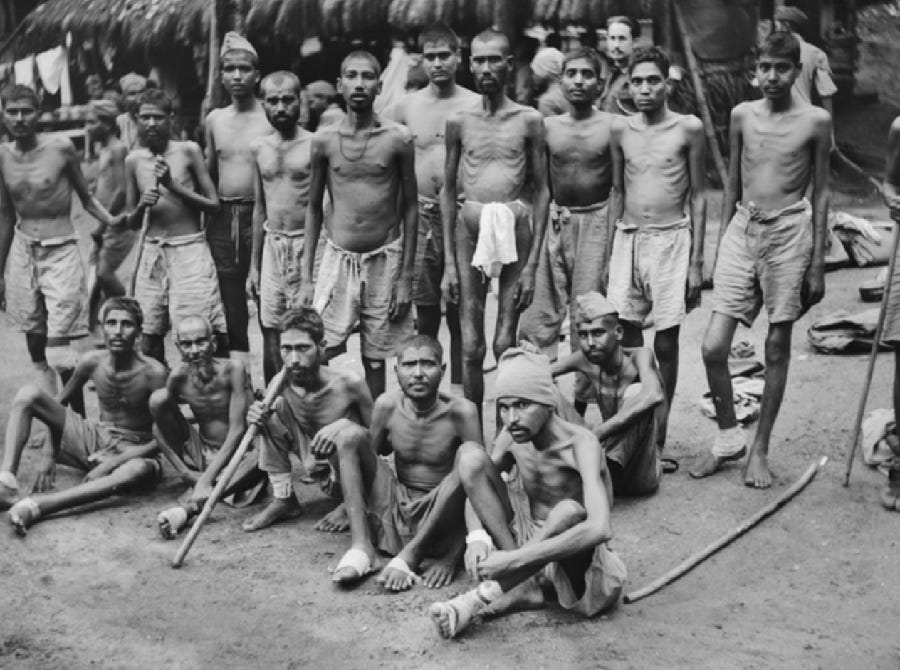
So many stories have emerged in Gautam Hazarika's new book on Indian POWs

Questions and myths about Subhas Chandra Bose, or Netaji, and the Indian National Army are of great interest in India today
India’s INA history is largely focused on Netaji. Indeed he did a lot, but he had a lot of help. The book shows that the INA was not started by him, but 18 months earlier by the little-known Captain Mohan Singh. Without Singh there would have been no Netaji legacy.
Another myth is about the size and impact of the INA in battle – it was actually very small, ill-equipped and not trusted – so not used to fight by the Japanese in 1944. It was miniscule, dwarfed by a Japanese army over 20 times larger at Imphal who did the fighting. Few died in combat, most of starvation or illness. Only in 1945 did Japan use it to fight, not to invade India but to defend Burma. For Japan that had nothing to do with Indian independence. Still ill-equipped, it was too late to make a difference. Again most losses were deserters and the sick.
Netaji took great risks in seeking Japan’s help to invade India, as they did not intend to let him rule occupied India freely. Pointed out to him repeatedly by Indians fearful of what would happen, he said ‘Leave it to me. I will handle it when the time comes.’ Fortunately, that time never came, and the INA succeeded instead in its propaganda role after the war.
My book tells story of brave INA soldiers, little-known today as focus has been solely on Netaji.
