
The White Ship
Charles Spencer retells the story of a tragic wreck that would arguably change the course of English history.

A very long time ago, when I started working as a reporter for NBC News in the US, a veteran colleague spotted my general cluelessness. He kindly took me aside and gave me this nugget of golden advice: ‘There are only three reactions you want in the viewer watching one of your reports: Hey, that’s me; Hey, I wish that was me; and Hey, I’m glad that’s not me.’ Genius.
As with newsgathering, so with history. For me, the study of the past has mainly been about people-watching. Of particular interest, I find, is how we fallible, fragile, human beings react in the face of glory and defeat, triumph and tragedy. It’s important to engage with the reality of the past, and to try to make that engagement immersive. I find I can only connect with the great moments in history if I can empathise with them. That is what leads me to the tales I tackle when I settle down to write a new book; I tend to veer towards exultation and heartbreak.
My historical beat till recently was the Stuarts. My three previous books were on the Civil Wars of the mid-17th century. But, in most recently writing the White Ship, I have been transported back a further half a millennium to a uniquely catastrophic loss at sea – one that led to quite extraordinary bloodshed on land. Again, England suffered a ghastly civil war, with a dramatic change in direction for the kingdom. Unlike the conflicts between Charles I and his family against Parliament, this did not result in a return to power by the ruling family. Indeed, it placed a firm full stop on a short-lived dynasty.
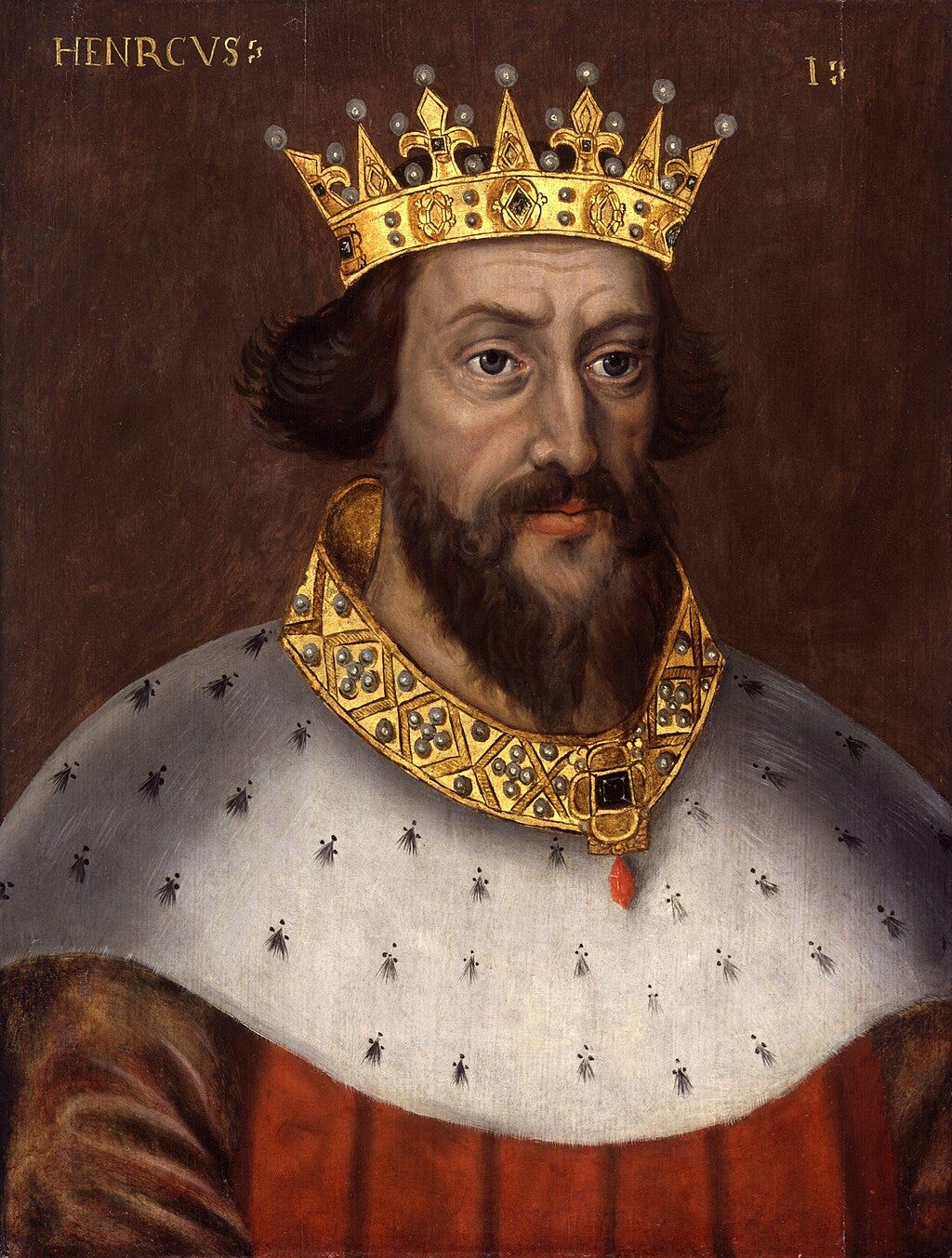
Nine centuries ago, Henry I sat on the English throne, while also ruling the dukedom of Normandy. The fourth son of William the Conqueror, Henry had spent his youth seemingly destined for a life of highborn obscurity. It appears quite possible that the pious Conqueror initially earmarked him for the Church. This would help to explain Henry’s literacy, which was remarked on at the time, and reflected in his bookish nickname of Henry ‘Beauclerc’.
