
Ismay’s People
While ‘Pug’ Ismay's public persona and memoirs were models of discretion and diplomacy, his private letters and papers expose sharp judgments of his peers, explains John Kiszely.

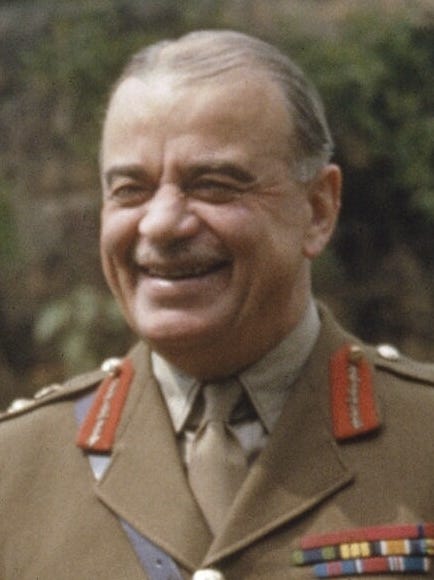
‘Pug’ Ismay was the personification of discretion and diplomacy. His book, The Memoirs of Lord Ismay, is testimony to this: no revelations are included, no confidences betrayed, no secrets exposed. There is hardly an unkind word about any of the people he met or worked with. The same is true of all the interviews he gave and articles he wrote. And he did not keep a diary. All of this was and is off-putting for the potential biographer! Did he live a very dull life? Or did he choose to see only the best in people? Or perhaps he was just a very bad judge of character? However, dig down into his private papers, his correspondence with personal friends, their notes and diaries, and what emerges is what Ismay really thought of people. Quite revealing, both about the people concerned and about Ismay himself.
Take for example Winston Churchill, whom Ismay served as his chief staff officer for the entirety of World War Two. Ismay was among Churchill’s greatest admirers. He genuinely considered him to be a genius, if a flawed one. But in public, the flaws almost never surface. In his memoirs, Ismay says that that Churchill “knew more about waging total war than all his military advisers put together” and had been “the master planner” of victory. But, after the war. in a private letter to a close friend, he wrote that Churchill “was, and still is, completely ignorant of modern war and logistics”, and bewailed “his plans for picking up small and superficially attractive prizes which have no real bearing on the conduct of war as a whole”. Similarly, in the draft of his memoirs, Ismay remarks on Churchill’s “interference” in detailed operations; but in the published version this word is replaced by “intervention”, together with justification for it: “imparting to the commanders his own impetuous, adventurous and defying character.”
